

Description
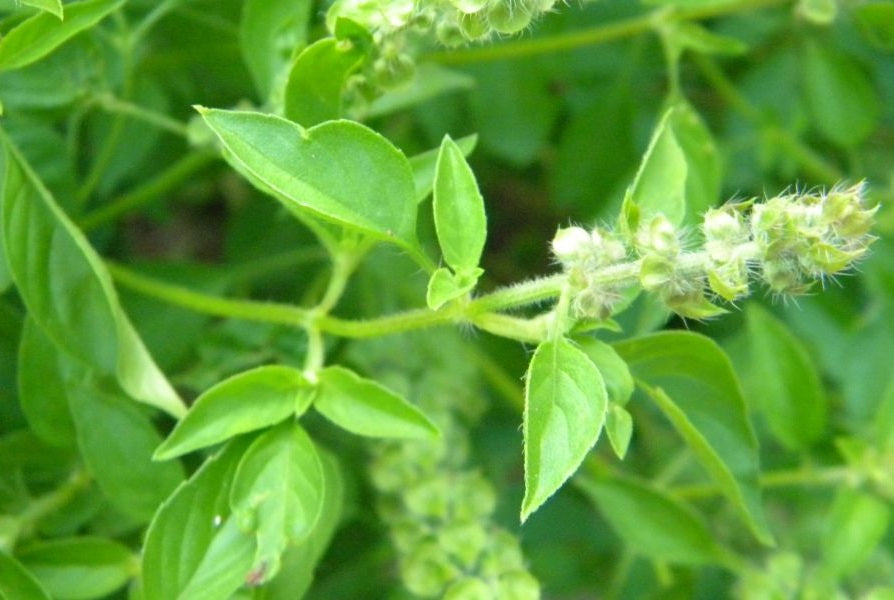
Lime Basil, known scientifically as Ocimum americanum x basilicum, boasts vibrant green leaves that release a zesty lime aroma when touched. Its delicate white flowers make an appearance during Djilba (late winter to early spring), complementing its fresh scent. Gardeners often gravitate towards Lime Basil for culinary endeavours, with its unique citrusy flavour proving an excellent addition to dishes and beverages.
When setting down roots in sandy soils, incorporating compost and organic matter will greatly benefit Lime Basil. This herb thrives under the warmth of the sun but can appreciate a little shade, and it prefers a steady supply of water in well-draining soil, with a reduced frequency during Makuru (winter). For those aiming to enhance its lush leaf growth and delay its flowering, a herb/foliage fertiliser should be administered from Kambarang (spring) to Bunuru (summer). Post-flowering in Djilba (late winter to early spring), a gentle prune can help Lime Basil maintain its compact form and bushy growth.
| Botanical Name | Ocimum americanum x basilicum |
| Common Name | Lime Basil |
| Cultivar | Lime |
|
Classification |
Herbs and Veges |
| PBR Name | |
| Origin | Africa, India |
| Foliage | Evergreen |
| Height | 40 - 60 cm |
| Width | 40 - 60 cm |
| Light | Full Sun |
| Soil | Loamy, rich soil or potting mix. |
| Water Requirement | Don't allow soil to dry out, water moderately. |
| Lifespan | Annual |
| Flower Colour | Purple, white |
| Flower Time | Birak, Bunuru (Early to Late Summer) |
| Toxicity | Edible plant, non-toxic to humans and animals. |
Disclaimer:
Information is intended as a guide only.
Unless otherwise stated, all images are examples only and not photos of the actual plants for sale.
Licensed images are used with permission of the license holder.
Payment & Security
Your payment information is processed securely. We do not store credit card details nor have access to your credit card information.