


Description
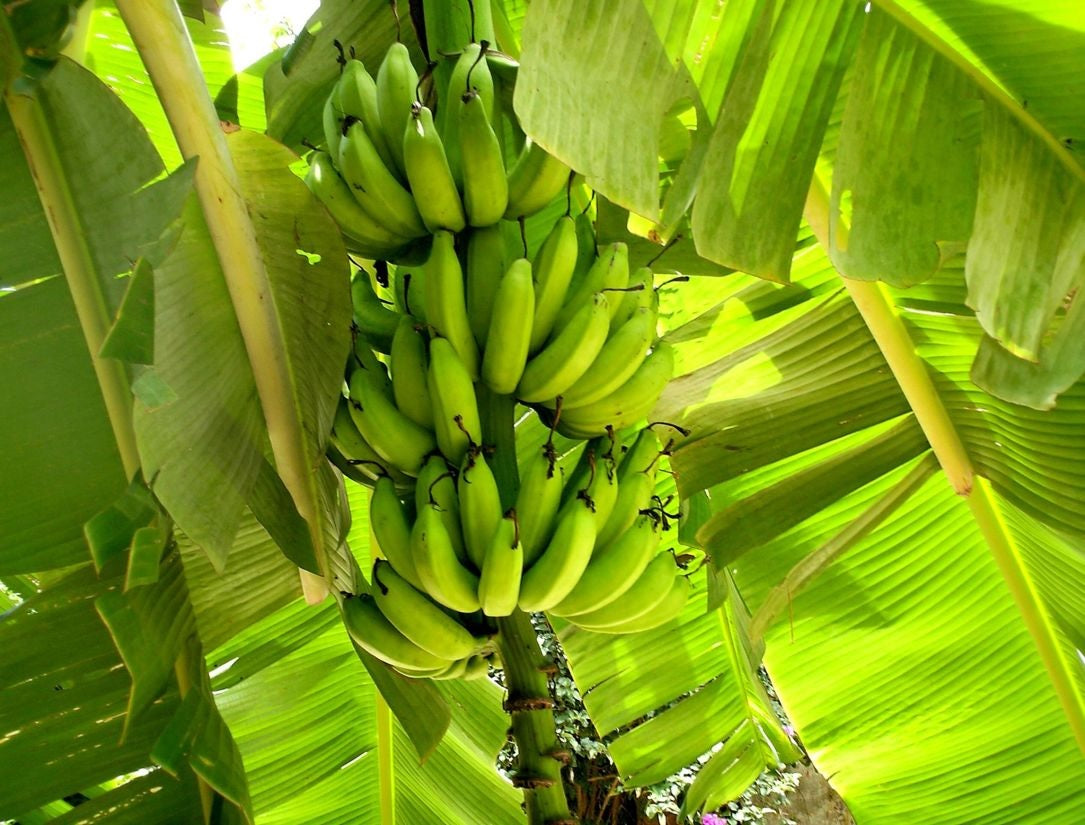
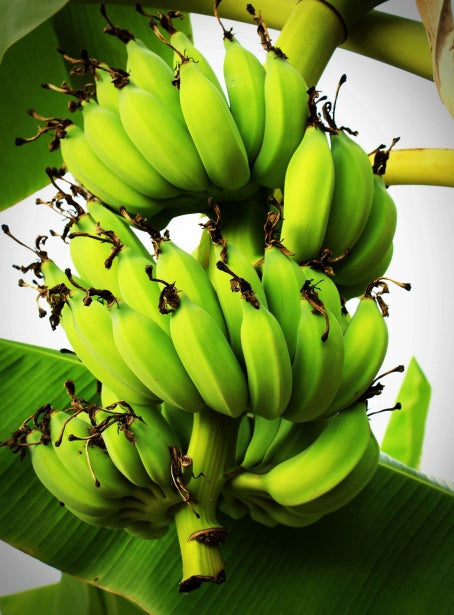
The "Dwarf Ducasse" Banana (Musa x paradisiaca) offers a compact size suited for more modest garden spaces, while still producing delicious and aromatic fruit. Though bananas typically flower around the 10-month mark after planting, in cooler conditions, flowering is pushed back until warmer Djilba (early spring) temperatures set in. With fruits ready for harvest within 90 to 150 days post-flowering, the "Dwarf Ducasse" rewards with sweet-tasting yields by Kambarang (late spring).
Ideal placement for the "Dwarf Ducasse" is in a sun-bathed area with well-draining soil. Sandy grounds benefit greatly from the addition of a rich soil conditioner, bolstering the soil's fertility. Regular watering is essential, especially throughout the peak of Bunuru (summer), but it's equally crucial to avoid waterlogging. To maintain health and maximise fruit production, a high-potassium, slow-release fertiliser application is recommended during Djilba (early spring). When the bananas achieve a fuller appearance, indicating ripeness, a gentle cut just above the cluster ensures optimal harvesting.
| Botanical Name | Musa x paradisiaca (M. acuminata x balbisiana) |
| Common Name | Banana |
| Cultivar | Dwarf Ducasse, Sugar Banana, Pisang Awak |
|
Classification |
Fruiting and Edible |
| PBR Name | |
| Origin | South-east Asia |
| Foliage | Evergreen |
| Height | 2 - 3 M |
| Width | 1 - 2 M |
| Light | Full sun |
| Soil | |
| Water Requirement | |
| Lifespan | |
| Flower Colour | |
| Flower Time | |
| Toxicity |
Disclaimer:
Information is intended as a guide only.
Unless otherwise stated, all images are examples only and not photos of the actual plants for sale.
Licensed images are used with permission of the license holder.
Payment & Security
Your payment information is processed securely. We do not store credit card details nor have access to your credit card information.