

Product Information
We do our best to ensure product descriptions, specifications, care information and other details are accurate and up to date. Information is provided as a general guide and may vary between batches, suppliers, individual plants or product revisions.
Stock availability
Website stock levels update live from our inventory system, but occasional discrepancies can occur due to in-store sales, damage or stock adjustments. This is more likely when only 1 or 2 units are showing as available.
Product images
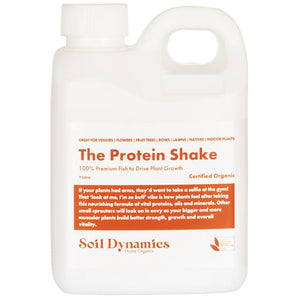
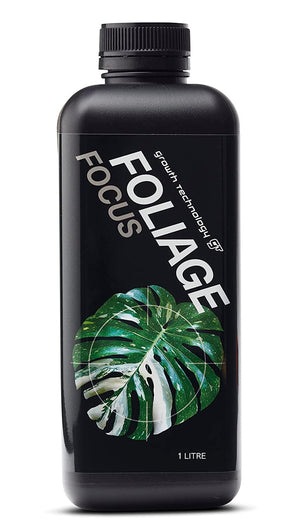
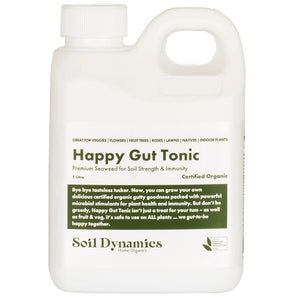
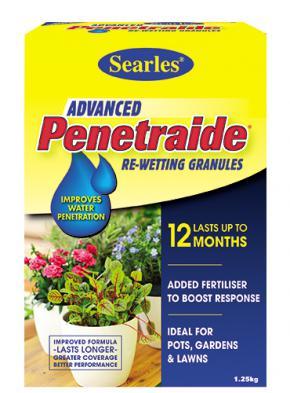
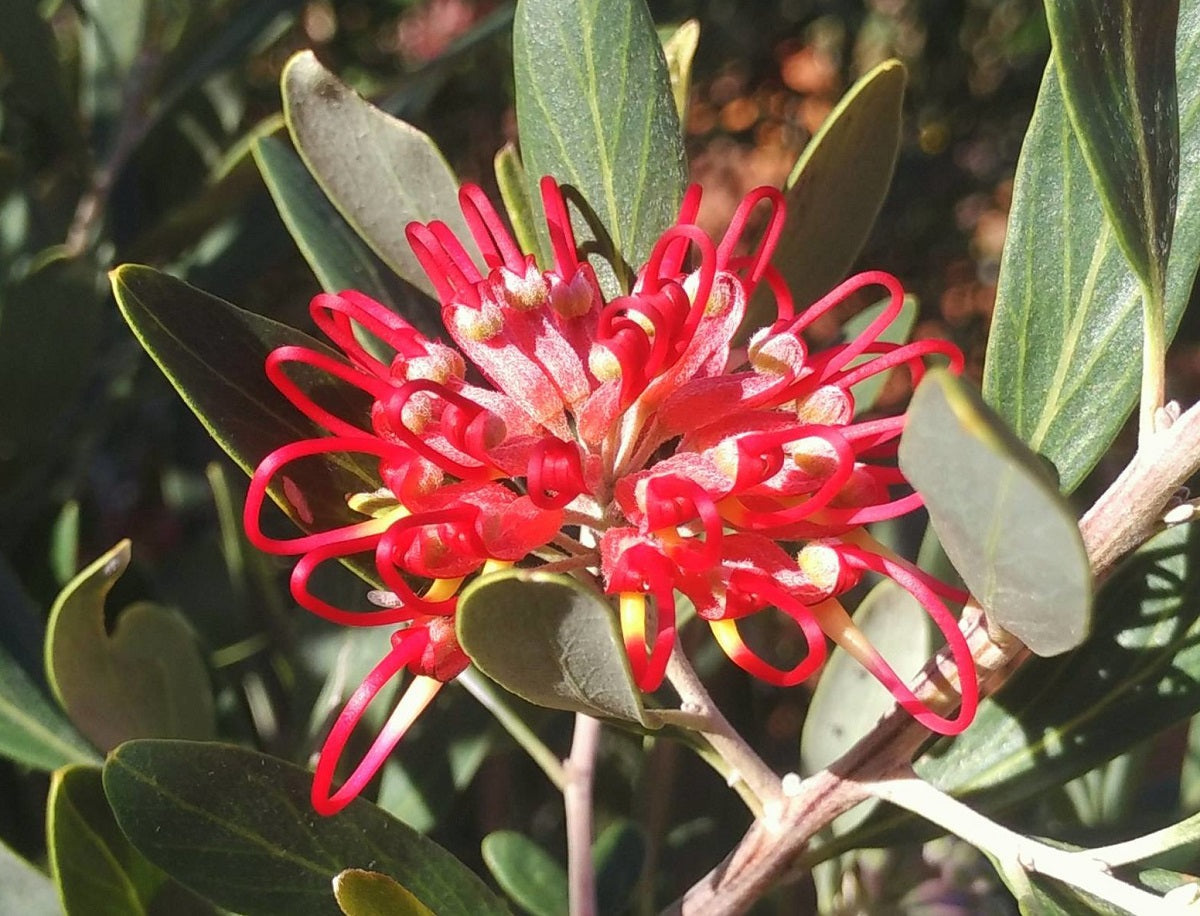
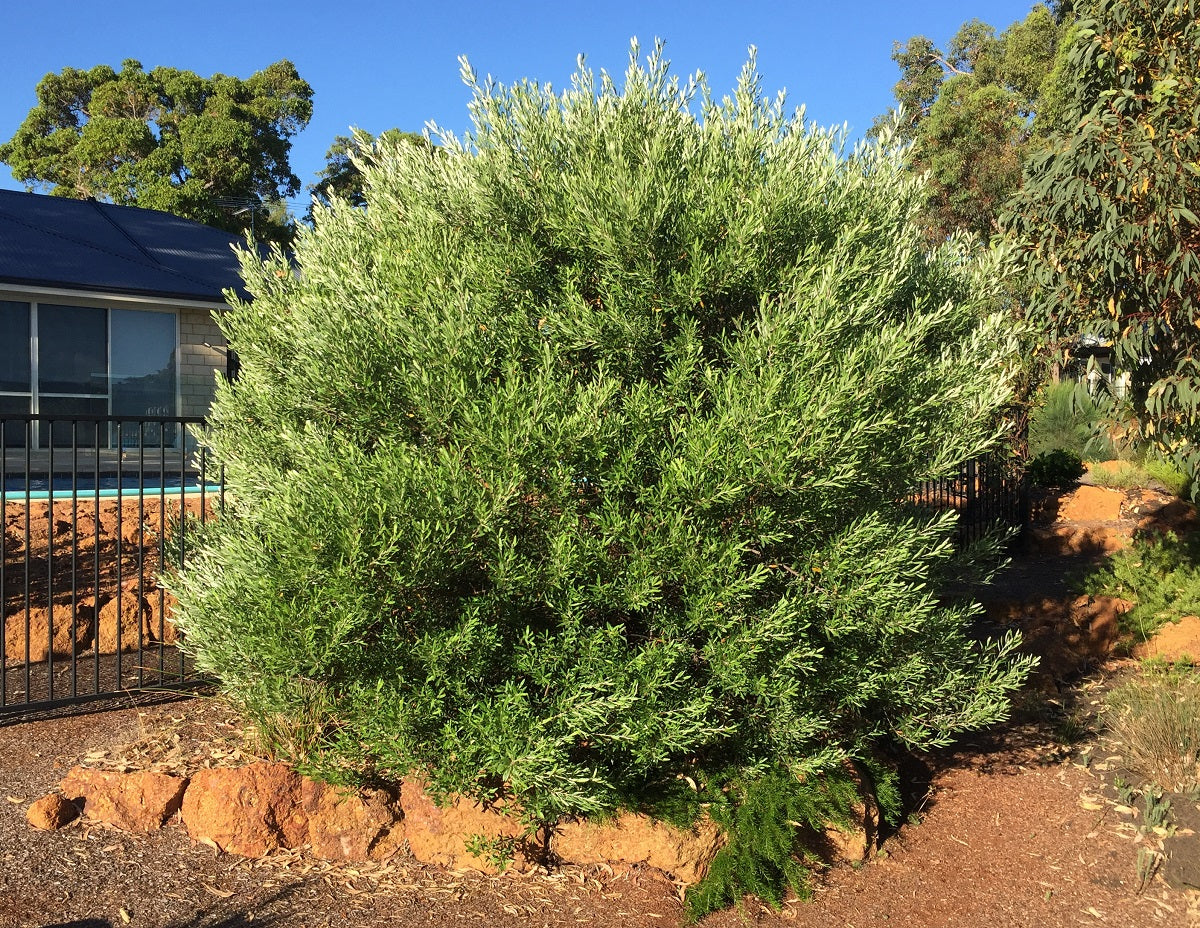
Images are provided as a visual guide and may not show the exact individual item for sale. Plants can naturally vary in size, fullness, colour, shape and stage of growth, and images may show a mature specimen to demonstrate how a younger plant may develop.
Images are either owned by Kambarang Garden Centre, used under an appropriate licence or with permission, or created with AI assistance. AI imagery is used to improve the background of existing photos, and to provide representative images where a suitable real-world photo is difficult or impractical to obtain, particularly for mature plants. Special care is taken to preserve the genuine appearance, colour, form, foliage, flowers and growth habit as accurately as current AI image technology allows.
Plant sizing
Plant sizes refer to the pot size, not the exact size of the plant. For example:
- 100 mm = 10 cm diameter pot
- 140 mm = 14 cm diameter pot
- 5 L = 5 litre pot
Smaller pot sizes generally indicate younger plants, although actual plant size can vary significantly between species, varieties and growth habits.