

Product Information
We do our best to ensure product descriptions, specifications, care information, and other details shown on our website are accurate and up to date. However, this information is provided as a general guide only and may occasionally vary between batches, suppliers, or individual plants.
Stock availability
Our website stock levels update live based on our inventory system, and we work hard to keep them as accurate as possible. However, stock counts can occasionally be incorrect due to in-store sales, damage, or stock discrepancies. This is especially possible when only 1 or 2 units are showing as available.
Plant images
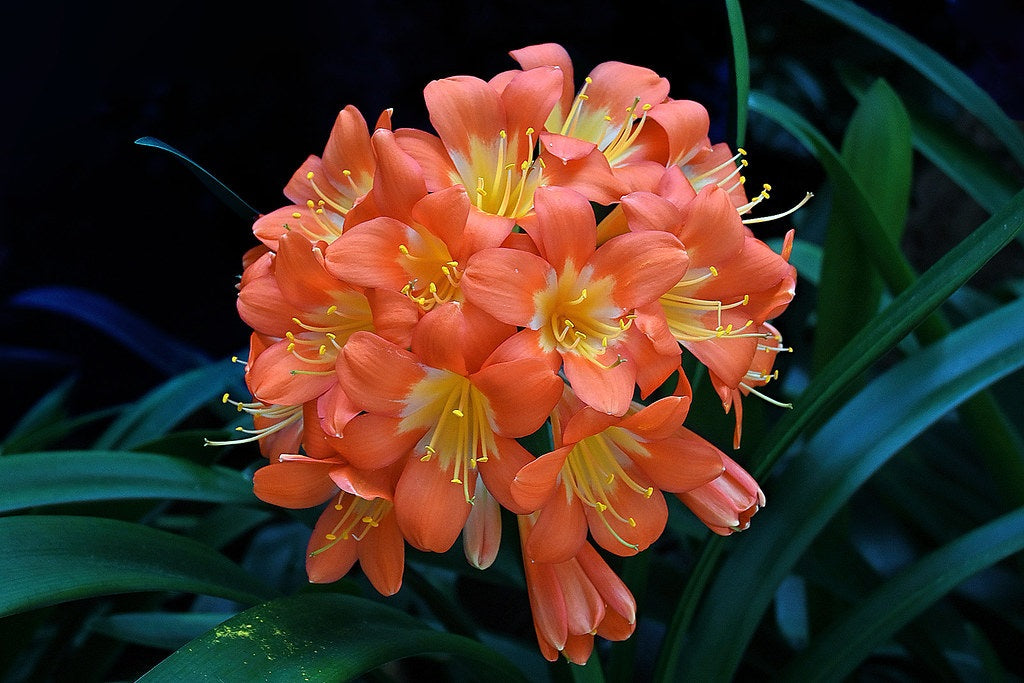
Plant photos are provided as a guide to show what a plant may look like when mature and established. In most cases, the image shown is not of the exact individual plant for sale, as this would require constant photo updates across our range. Plants purchased may vary from the images shown in size, fullness, colour, and stage of growth.
Plant sizing
Sizes refer to the size of the pot the plant is sold in, rather than the exact size of the plant itself. For example,
- 100 mm refers to a 10 cm diameter pot,
- 140 mm refers to a 14 cm diameter pot,
- 5L refers to a 5 litre pot, etc.
In general, smaller pot sizes usually indicate younger plants, though the actual size and development of the plant can vary significantly depending on the species, variety, and growth habit.
Photo sourcing and AI-generated imagery
Images used on our website are either owned by Kambarang Garden Centre, used under free-use licensing, or used with permission from the original owner. In some cases, AI-assisted imagery may be used where suitable real-world photos are difficult to obtain, in order to help demonstrate what a plant looks like. Where this is done, care is taken to ensure the image remains as true to life as reasonably possible.